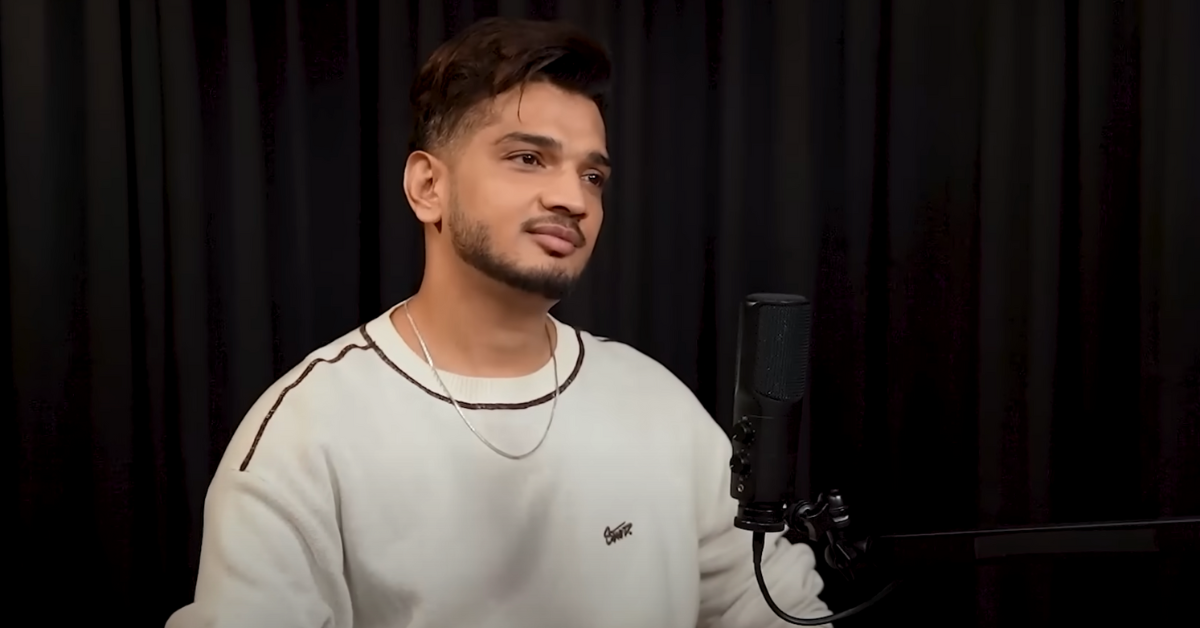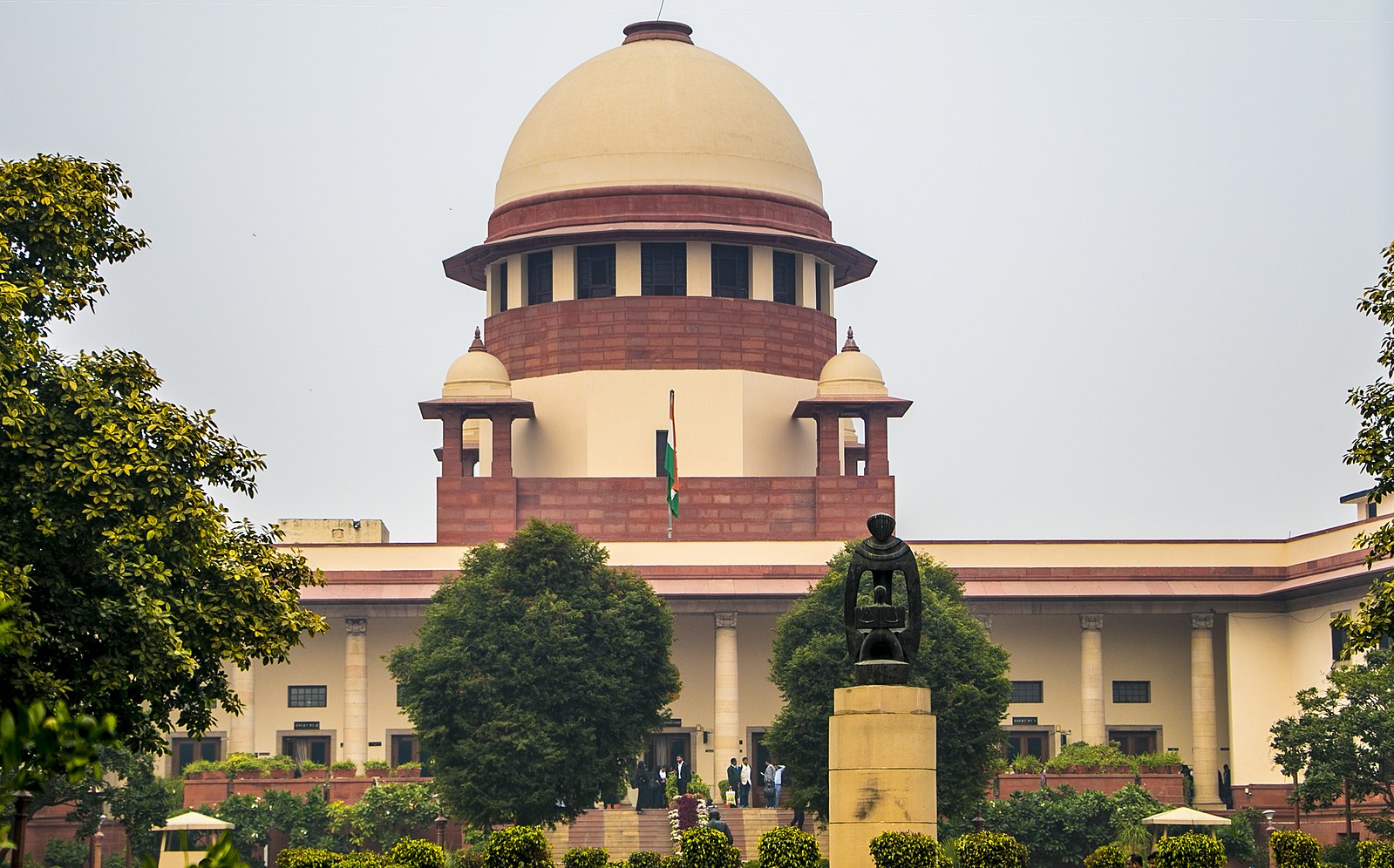
Stand-up comedian Samay Raina on August 25 submitted an affidavit before the Supreme Court, that showed his philanthropic work. This was seen as as proof of his “genuine social commitment” while apologising for controversial remarks. His apology was in connection with a case linked to alleged violations under the Rights of Persons with Disabilities Act and provisions of the Indian Penal Code concerning insult and promoting enmity in connection with one of the episodes of his show India’s Got Latent.
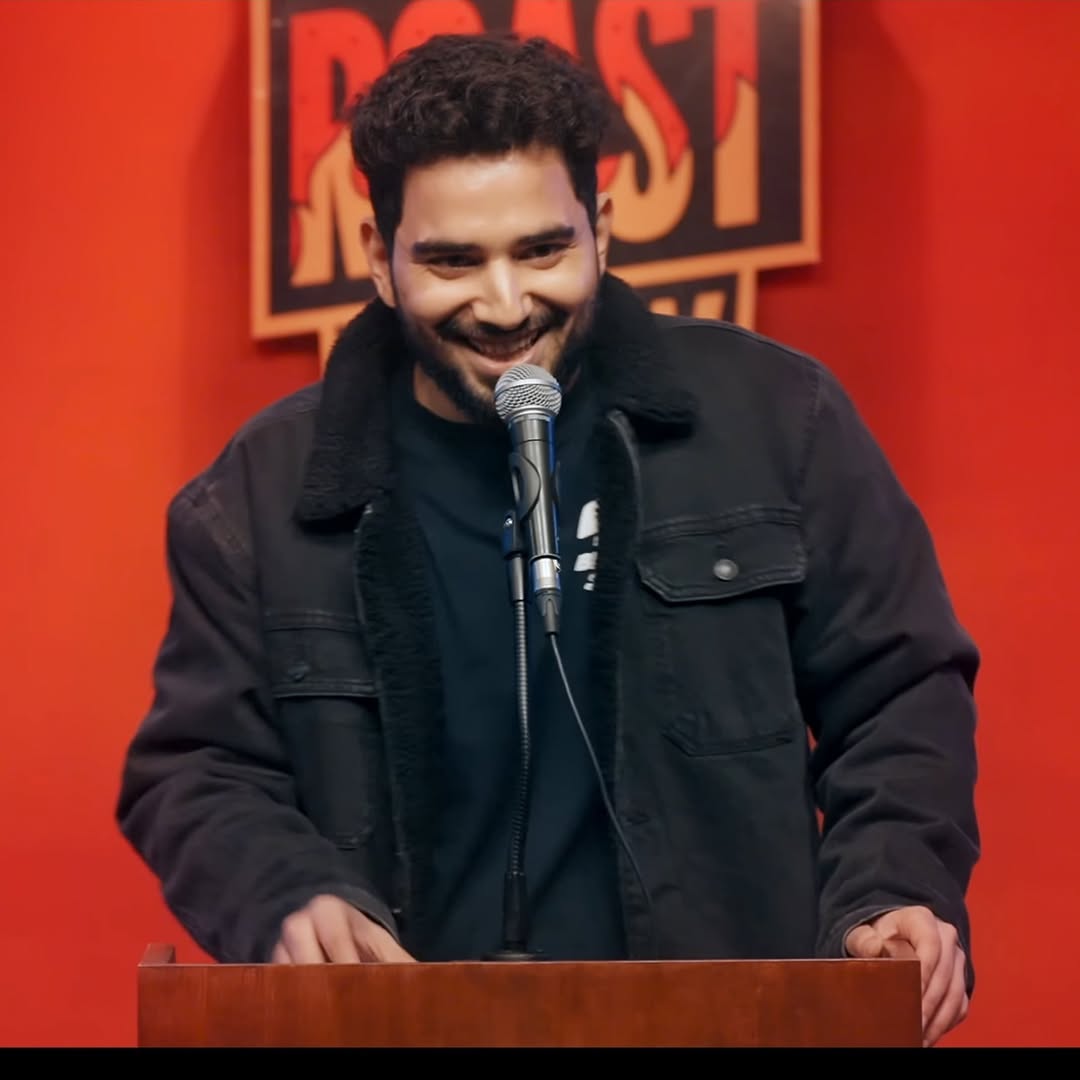
Comedians Vipul Goyal, Balraj Paramjeet Singh Ghai, Sonali Thakkar, and Nishant Tanwar also filed affidavits. All five were facing proceedings over jokes made in different shows, including India’s Got Latent. They argued that their comments were intended as “light-hearted exchanges” and not meant to ridicule persons with disabilities.
Court Labels Remarks as ‘Insensitive Jokes’
The Supreme Court reprimanded the comedians and other social media influencers, calling their remarks “insensitive jokes.” The bench, comprising Justices Surya Kant and Joymalya Bagchi, directed them to apologise to persons living with disabilities and rare genetic disorders.
The case was initiated by the Cure SMA Foundation of India, which alleged that Raina and others had mocked individuals with Spinal Muscular Atrophy, a rare genetic disorder, as well as other disabilities. The Foundation placed several jokes on record, including one where Raina referenced a fundraising campaign for a two-month-old child requiring an injection costing Rs 16 crore. During his act, Raina had joked about whether parents would reconsider saving the baby given the high cost and uncertain outcome.
Guidelines on Online Speech Discussed
The court instructed the Centre to frame guidelines to prevent speeches that mock or offend vulnerable groups such as the disabled, women, children, senior citizens, and ethnic communities. While stressing the importance of free speech, the bench noted that such freedom does not extend to commercial content that hurts sentiments.
Justice Bagchi termed the comedians’ acts as “commercial speech” carrying the responsibility of not harming specific sections of society. Justice Kant warned that mockery of disabled persons could encourage similar attacks on other communities.
Senior Advocate Aparajita Singh, appearing for the Cure SMA Foundation, argued that existing legal frameworks such as the Cinematograph Act and the IT Act were outdated. She emphasised that guidelines must protect the dignity of disabled persons, not just their access to opportunities.
Attorney General R. Venkataramani assured the court that the government was already working to align various statutes and provisions, stressing that any new guidelines would preserve freedom of expression while addressing modern challenges.
Influencers Directed to Apologise Online
The bench noted that all the comedians had submitted affidavits of apology, except Sonali Thakkar, who was exempted from physical presence but must broadcast an apology on her show.
While considering whether penalties should also be imposed, the court said the matter would be taken up later. Singh suggested that instead of fines, the case could serve as an opportunity for influencers to spread awareness about disability, given their large following.
The bench directed all accused to upload unconditional apologies on their podcasts, YouTube channels, and social media platforms. The matter will now proceed with wider consultations on formulating online speech guidelines.